Vera Carter · 29 September 2026
How Backend Evolutions Reshape Monetization Paths for Solo Digital Storytellers
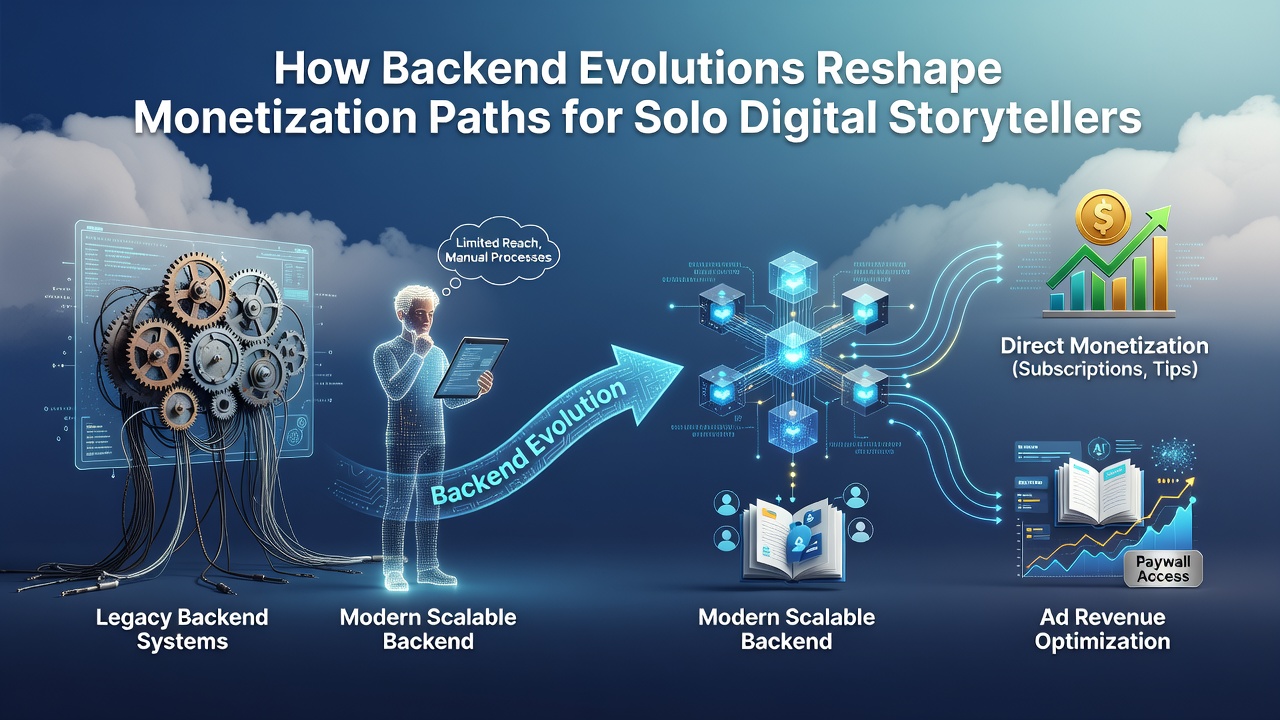
Backend infrastructure upgrades continue to alter how solo digital storytellers generate revenue through direct channels and platform integrations, and these shifts trace back to improvements in server architecture, API frameworks, and cloud-based data management systems that emerged over the past decade. Researchers at academic institutions have documented how scalable database solutions allow creators to handle subscriber data without relying on large intermediaries, which in turn opens paths for tiered subscription models that adjust dynamically based on usage patterns.
Cloud service providers rolled out enhanced serverless computing options in recent years, and these tools let individual storytellers process payments and deliver content without maintaining dedicated hardware. Data from industry reports shows that transaction processing times dropped significantly after such migrations, enabling real-time revenue tracking that creators previously accessed only through third-party dashboards.
API Advancements and Direct Revenue Streams
Application programming interfaces evolved to support seamless connections between content platforms and payment gateways, and this development means solo creators can embed donation buttons or membership portals directly into their own sites rather than routing everything through major social networks. Observers note that these API improvements reduce latency during checkout processes while also providing built-in compliance features for tax reporting across multiple jurisdictions.
Payment service integrations now incorporate machine learning elements that flag potential fraud in milliseconds, and creators benefit because fewer disputed charges cut into net earnings. Figures from regulatory bodies in Australia indicate that streamlined backend verification reduced chargeback rates by measurable percentages in digital content sectors during 2025 testing periods.
Data Handling Shifts and Personalization Capabilities
Backend databases gained capacity for granular audience segmentation without exposing raw user information, and storytellers use this to craft targeted newsletters or exclusive episodes that drive higher conversion rates on premium offerings. European Commission documentation on digital market regulations highlights how compliant data pipelines support these customizations while maintaining user consent records that protect against penalties.
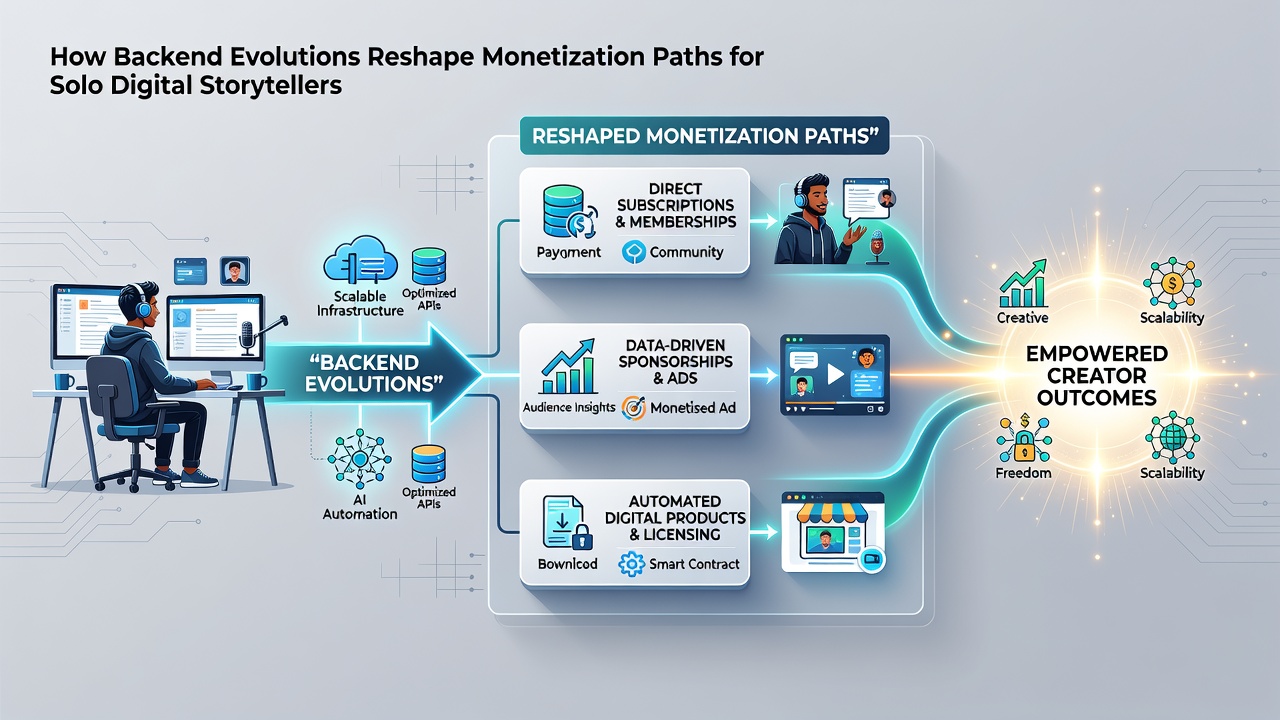
Analytics engines running on updated cloud frameworks deliver insights into content performance across devices, and those who studied these systems report that creators adjust release schedules accordingly to maximize ad impressions or sponsored segment placements. One case involved a solo narrative podcaster who integrated backend event tracking to identify peak listening times, which led to adjusted release cadences that aligned with higher engagement metrics.
Regulatory Compliance and Infrastructure Updates
Privacy legislation changes prompted backend overhauls that include automated consent management and data deletion protocols, and these features help solo digital storytellers maintain eligibility for monetization programs on global platforms. Government sources from Canada outline how updated data residency requirements influenced hosting choices, pushing many independent operators toward providers with regional server clusters that satisfy local statutes.
In September 2026, several major cloud vendors introduced enhanced logging tools that automatically generate compliance reports for digital content sales, and creators gained access to these features through standard service tiers rather than enterprise contracts. This rollout coincided with broader adoption of edge computing nodes that speed up content delivery in remote areas, thereby expanding potential subscriber bases for location-specific storytelling projects.
Case Examples from Independent Creators
Take one researcher who examined migration logs from multiple creator accounts and found that those who transitioned to modular backend stacks experienced steadier month-over-month revenue compared with peers who retained legacy setups. There's this case where experts found that integration of open-source payment modules allowed a graphic novelist to launch region-locked digital editions without incurring prohibitive gateway fees.
People who've tried these configurations often discover that combined analytics and billing systems surface cross-promotion opportunities between their various story series, and this synergy supports diversified income that does not depend solely on any single platform algorithm. Industry organizations tracking digital infrastructure note similar patterns across text-based and audio storytelling niches.
Emerging Trends in Backend-Monetization Links
Decentralized storage solutions started appearing in creator toolkits, and these options let storytellers host assets while retaining control over access keys that tie directly to NFT-style unlock mechanisms or timed paywalls. Academic papers from North American universities detail how such architectures reduce single-point failures that previously disrupted revenue during peak traffic events.
Yet backend evolutions also introduce new variables around vendor lock-in and migration costs, and regulatory agencies continue to monitor how these factors affect smaller operators who lack dedicated technical staff. Those monitoring the space observe that hybrid models blending traditional hosting with selective cloud functions deliver balanced outcomes for many solo practitioners.
Conclusion
Backend developments continue to expand options for revenue generation among solo digital storytellers by streamlining payments, refining data use, and supporting regulatory adherence across borders. Creators who align their systems with current infrastructure standards position themselves to capitalize on emerging direct-to-audience pathways while navigating the technical requirements that accompany them.